Developmental
Story, argument, pacing, organization, and the reader’s journey.
United Kingdom
8th Floor, 8 Devonshire Square, London EC2M 4YJ, UK
United States
39 West 29th Street, 10th Floor, New York, NY 10001
Editing & Proofreading · From First Read to Final Proof
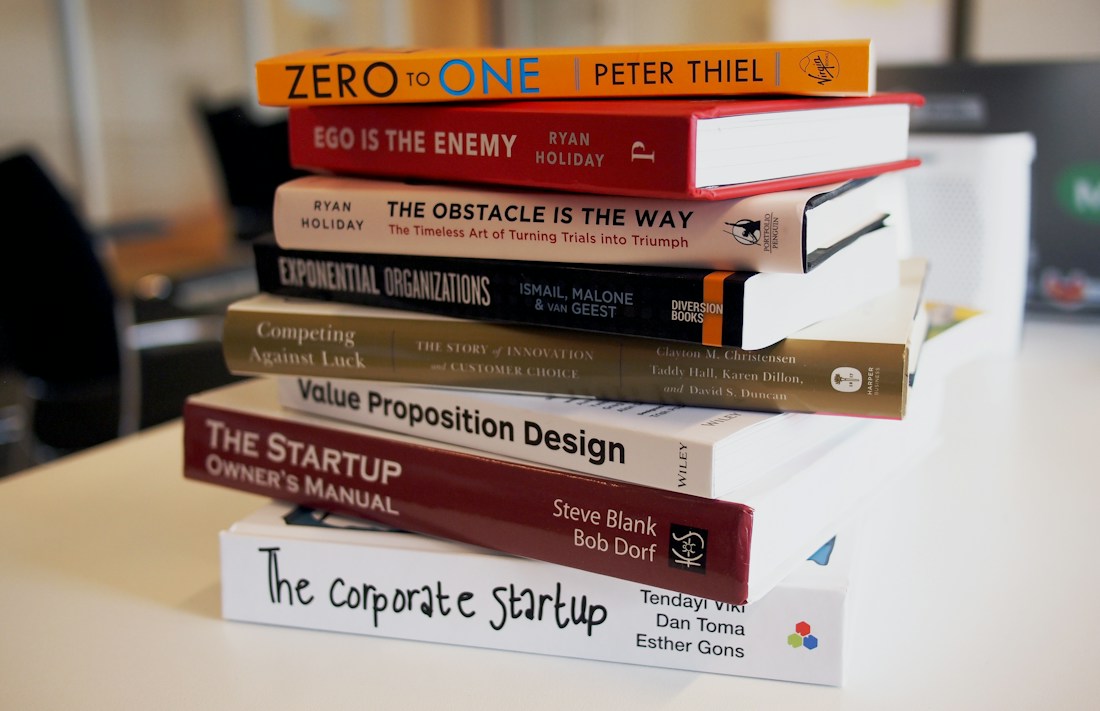
Thoughtful editorial support to strengthen structure, clarity, consistency, and grammar while protecting the voice and intent behind your work.
Not every draft needs the same edit · Editorial layers
Editing can focus on the big picture, the sentence, or the final proof. The right depth depends on where your draft is today.
Story, argument, pacing, organization, and the reader’s journey.
Clarity, rhythm, tone, and flow while preserving your voice.
Grammar, usage, punctuation, and a consistent style.
Typographical and layout issues after the pages are designed.
These are different stages of editorial support; proofreading is not a substitute for revising a draft.
Before an Editor Begins · Build a Useful Editorial Brief
A few details make the first assessment more focused and help us recommend an appropriate editorial scope.
Tell us whether the manuscript is complete, in revision, or still being written, and include its approximate word count.
Note the genre, intended audience, and what you hope readers will understand, feel, or take away.
Point out the areas where you want feedback, such as structure, clarity, consistency, or a final proof.
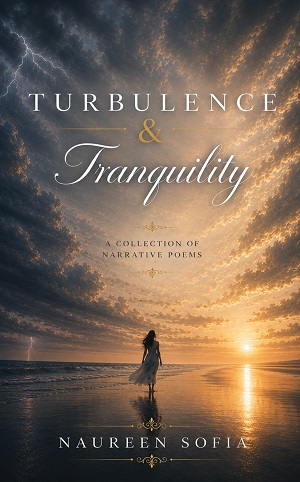
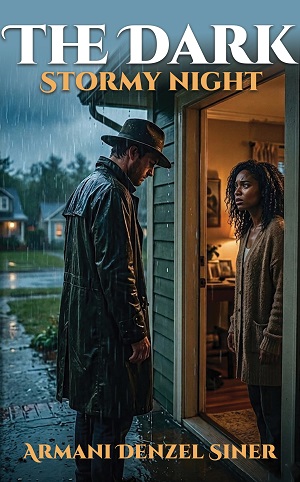
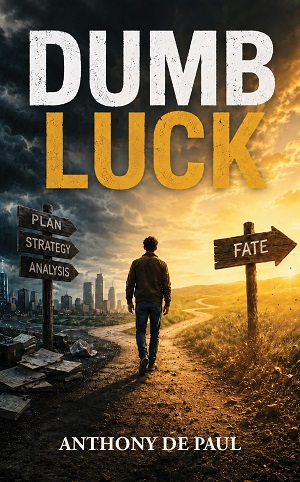
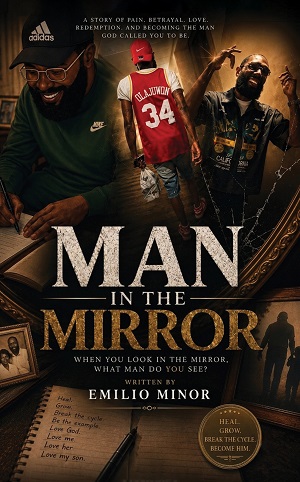
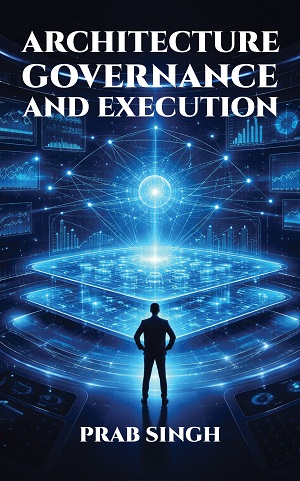
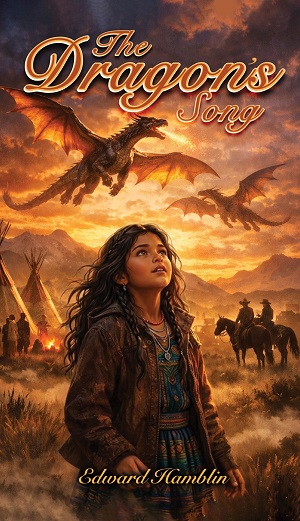
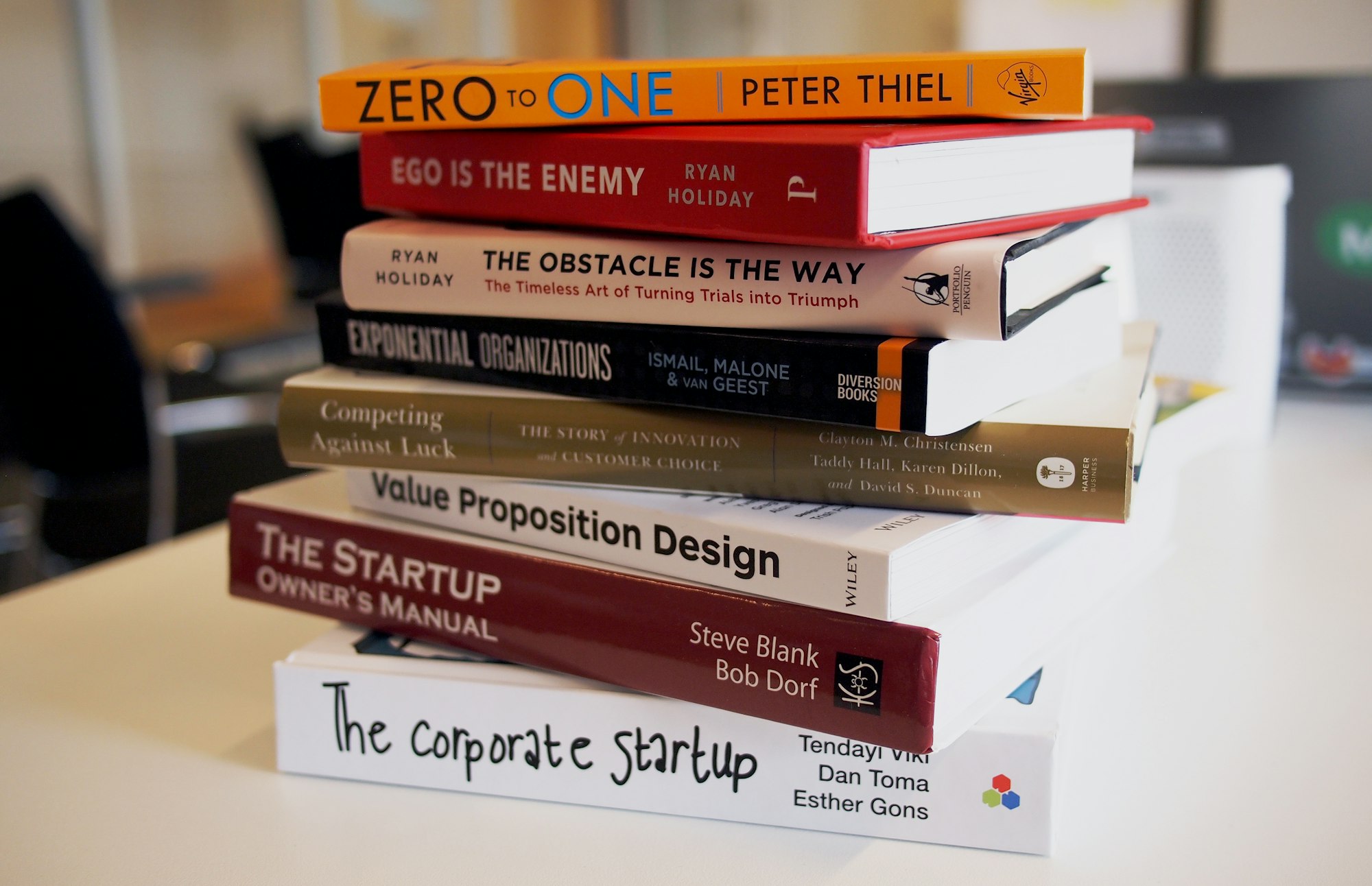
Selected book covers



Our Process · Four Editorial Steps
Share your manuscript stage, intended readers, goals, and any areas where you want focused feedback.
We recommend the appropriate edit, confirm word count and deliverables, and provide a quote and schedule.
Your editor works to the agreed brief, using tracked changes and clear queries to keep you involved.
You review the edits and notes, ask questions, and decide which changes best serve your manuscript.
Before You Begin · An Honest Fit Check
Not sure which edit your manuscript needs? Tell us where the draft stands and we can discuss a suitable next step.
Editorial Approach · Careful, Collaborative, Clear
Editors explain changes and raise questions rather than making unreviewed decisions about your meaning or style.
The quote states the agreed edit, schedule, deliverables, and review stages before work begins.
Tracked changes, editorial notes, and consistent style choices help you understand the work and make informed revisions.
Editorial Options · Scoped to Your Manuscript
Every manuscript is different. We confirm the word count, edit level, schedule, and fee in a written quote before work begins.
A clear direction for your next draft
Scoped to your manuscript
Based on word count, genre, and the depth of review requested.
Clarity, consistency, and flow
Scoped to your manuscript
The fee and schedule depend on length, condition, and agreed edit level.
A final check on designed pages
Scoped to your pages
Best scheduled after substantive editing and layout are complete.
Your Next Draft · Start With a Clear Editorial Plan
Tell us where your draft is today and what you would like help with. We’ll discuss an editorial scope that fits your goals.
Discuss your manuscript
Client Testimonials · Editing & Proofreading
“The developmental edit helped me uncover the real emotional arc of my memoir. Every margin note was specific, constructive, and respectful — the book reads with far more momentum and still sounds completely like me.”
“Their line editor tightened dialogue, smoothed awkward transitions, and flagged two continuity gaps in my mystery plot that even beta readers missed. I always understood the reasoning behind each suggestion.”
“After reading my own manuscript a dozen times, I had gone completely blind to small punctuation and citation slips. The final proofread was meticulous, transparent, and gave me total confidence going to print.”
Editing & Proofreading FAQ
Find out which edit may suit your manuscript and when to schedule it.
Copyediting checks language, grammar, usage, and consistency in the manuscript. Proofreading is a final check of designed pages after editing and layout, focused on typographical and layout errors.
A complete draft is usually the best starting point. For an early-stage manuscript, tell us what is ready and we can discuss whether an assessment or developmental edit makes sense.
Editors suggest changes for clarity, consistency, and readability while preserving your intent. Changes and queries are shared for your review, and you decide which suggestions to accept.
The quote depends on manuscript length, condition, edit type, and schedule. We confirm scope, deliverables, and fee in writing before work begins.
Let’s talk about your manuscript
Tell us about your manuscript, its current stage, and the kind of editorial support you are looking for. We’ll discuss a suitable next step.
info@continentalunitedpublishing.com